Species extinction and loss of biodiversity may seem like twenty-first century concerns, but, according to Wai Chee Dimock, nineteenth-century thinkers like Thoreau anticipated irreversible changes to the natural world. Thoreau, she asserts, was deeply concerned about the fate of both wildlife and Native American populations. Wiggins, Fornoff, and Kim, eds. Timescales: Thinking across Ecological Temporalities … Continued


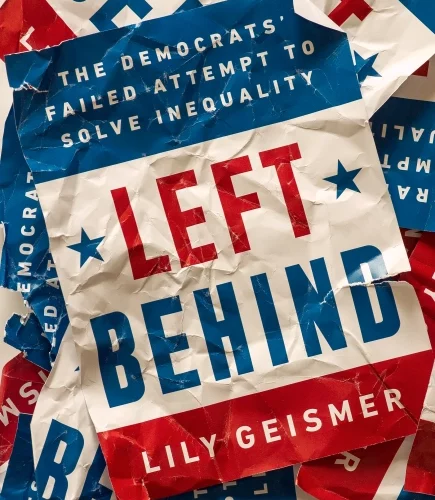
Over a decade ago — in response to grassroots organizing against mass incarceration and police violence — a bipartisan coalition took shape. It brought together billionaires, large liberal non-profits, universities, rightwing think tanks, and politicians from both parties. Its stated aim was to reform the bloated criminal justice system on humanitarian grounds. Kay Whitlock argues … Continued


While the Trump Administration’s policy of separating children from their parents at the US-Mexico border drew intense condemnation, the practice has been going on in this country for centuries. Historian Laura Briggs argues that it has been part of strategy of counterinsurgency, as during the anti-communist wars in Latin America, in which rebellious populations are … Continued


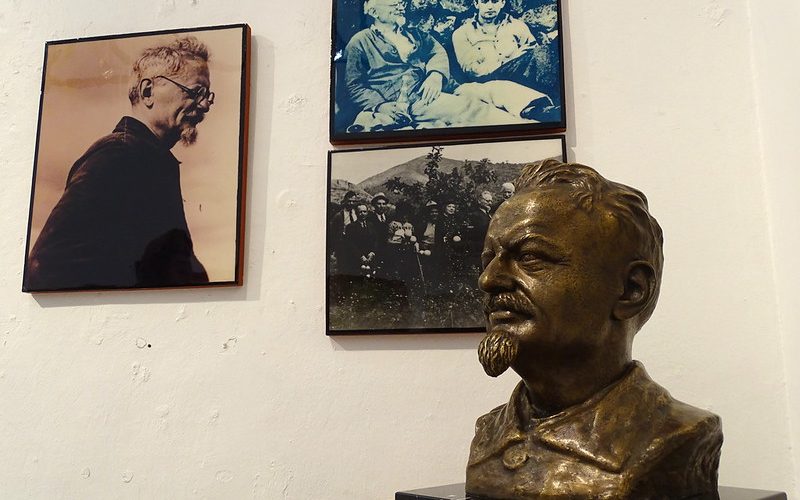
Is policing in the U.S. primarily about catching criminals, maintaining order, or brutalizing African Americans? Ben Brucato locates the origins of U.S. police in the early slave patrols, patrols whose mandate was to uphold white racial domination over Blacks. He argues that the institutions of police and of race were created in tandem. Social Justice (Photo on … Continued


In arguing for the urgency of moving from anthropocentrism toward ecocentrism, Aaron S. Allen distinguishes between environmental crises and ecological change; argues against the “balance of nature” paradigm; differentiates between strong and weak forms of sustainability; and describes the role that expressive culture and the environmental liberal arts can play in driving awareness and activism. … Continued