
Against the Grain

Heidegger, the Personal, and the Political

We often act in isolation, or feel like we do. According to Scott Cameron, the German philosopher Martin Heidegger emphasized the social meaning and significance of individual action. Cameron uses Heidegger to evaluate personal conduct in relation to, among other things, climate change. And Peter Cannavò discusses the volume to which Cameron contributed. For more … Continued

Against the Grain

No Alternative?

Since the global financial crisis, capitalism has been seen as the culprit for so many of the world’s woes, from inequality to the destruction of the environment. Yet no other system appears to be viable. But is that in fact the case? Journalist Richard Swift assesses anarchism, state socialism, social democracy, and the left turn … Continued


Against the Grain

Beyond Autonomy; Toward Mothering; Remembering Galeano

At the Radical Imagination Festival, Ardath Whynacht asked attendees to consider what trauma-informed social justice might look like; she also contested many radicals’ emphasis on autonomy. Andrea Smith spoke about the importance of incorporating mothering into political thinking and struggle. And we remember the great Uruguayan writer Eduardo Galeano, who died last week. For more … Continued


Against the Grain

African Americans and the Environment

Why are African Americans missing from our collective imagery of the environment and environmentalism?  Cultural geographer Carolyn Finney discusses both the history of African Americans and nature — as it’s defined in the United States — and the history of African American environmentalism, separating myth from fact. For more details and higher-quality audio, visit againstthegrain.org.


Against the Grain

Black Slaves, Indians, and the US Colonial Project

Notions of racial hierarchy abounded in the early nineteenth century as missionaries tried to convert Native Americans, federal officials sought to seize Indian lands, and Indians in the southern US bought, sold, and owned black slaves. Barbara Krauthamer relates what happened when people of different races, agendas, and social status encountered one another in the shadow … Continued


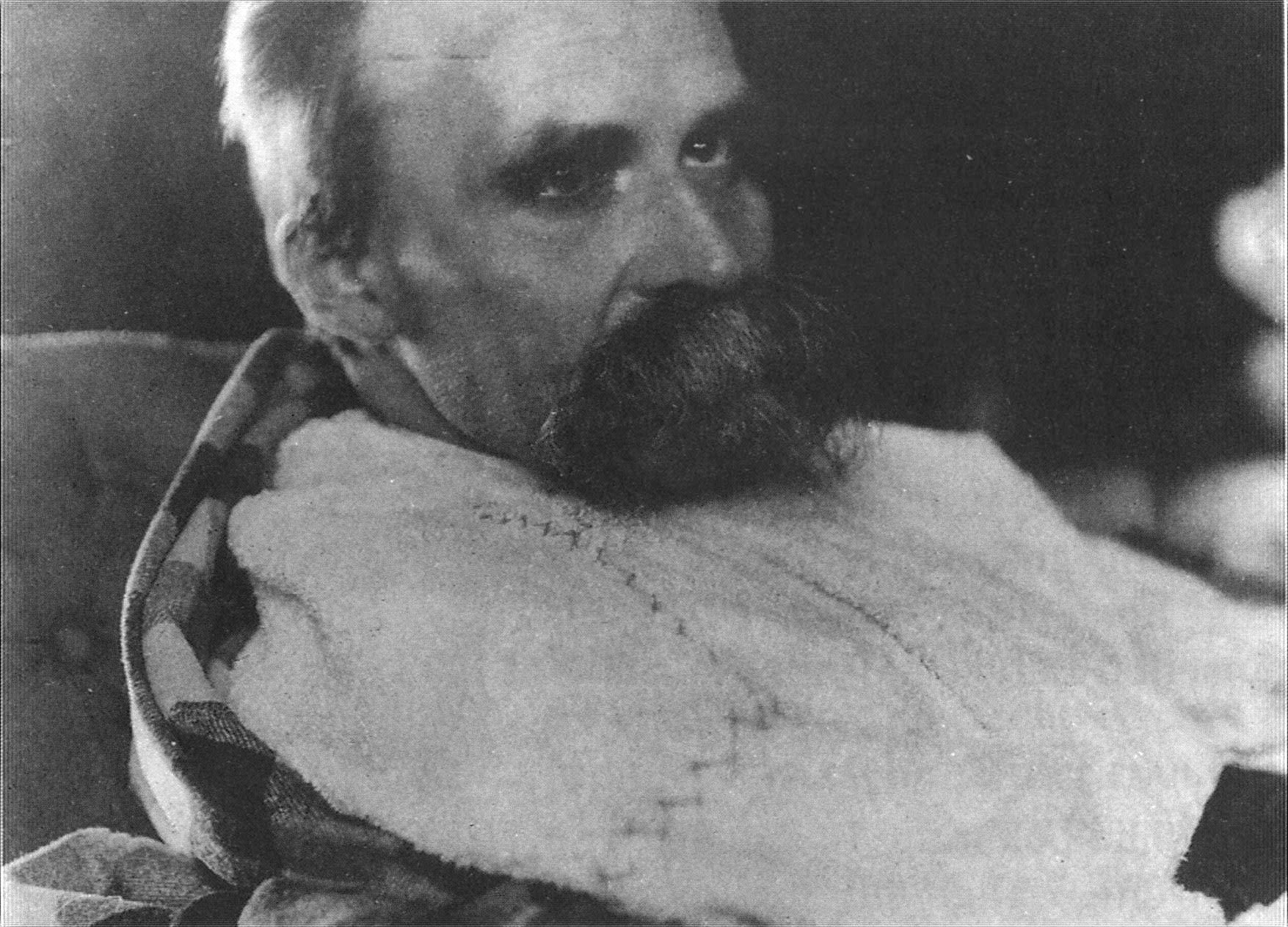
Giving primacy to Reason often reflects a belief that discursive thought and scientific knowledge put humans on a trajectory of progress and improvement. Friedrich Nietzsche and Max Stirner called all of that into question. According to Joaquin Pedroso, the two iconoclasts pointed toward an anti-authoritarianism of the intellect that anarchists and others should take seriously. … Continued