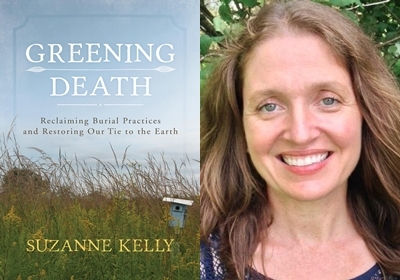

Often disparaged, the internet has become both a key tool for social movements and a way for activists to tell their own stories. Inspired by the Zapatistas, media activists blazed a trail, and transformed journalism, with a network-based model of grassroots independent media centers around the world. Todd Wolfson discusses Indymedia’s rise and fall, and … Continued


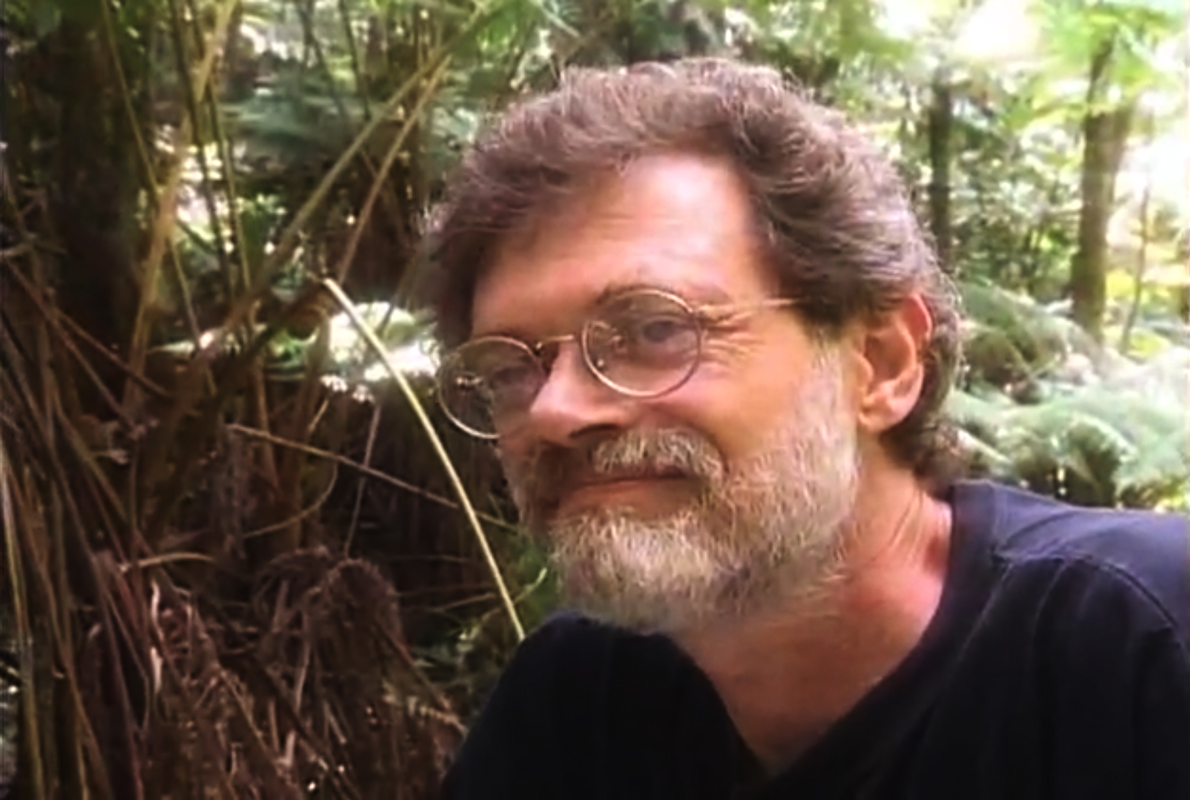
Welfare supports were a fundamental feature of the Soviet Union. But then the USSR collapsed, leaving millions of Russians without either good-paying jobs or state assistance. Marianna Pavlovskaya reveals how Russian families resorted to household and other informal economic practices to cope, adapt, and survive in an era of relentless privatization and neoliberalization. For more details … Continued


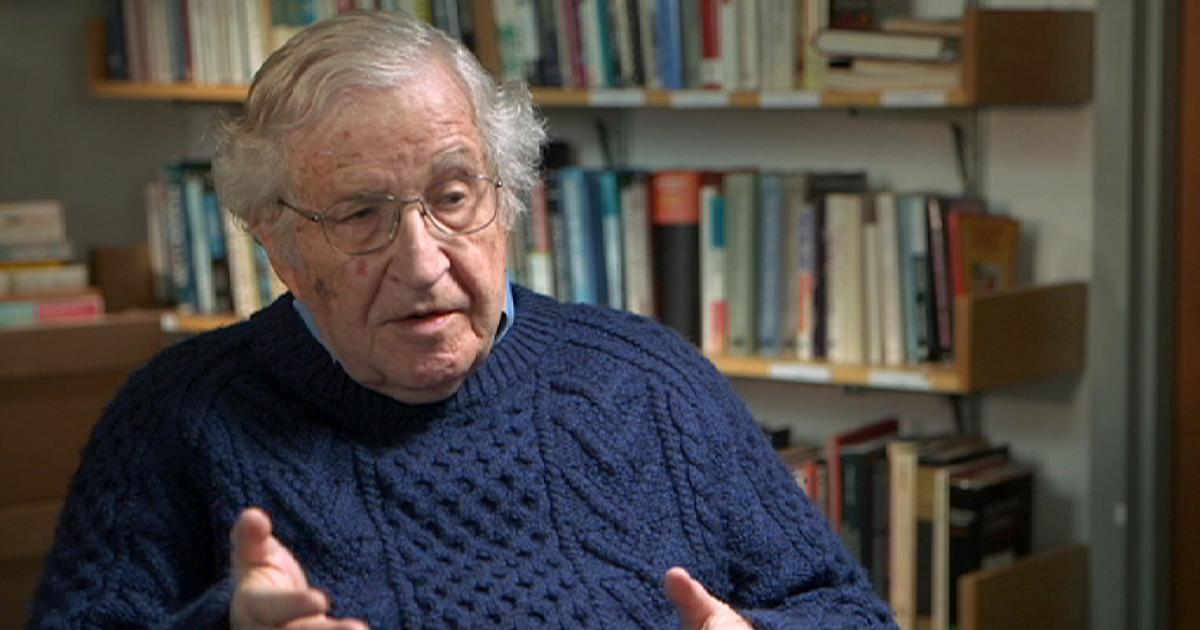
Archie Green may be best known for almost singlehandedly pressuring the government to create the American Folklife Center, but Sean Burns argues he was one of this country’s foremost intellectuals on the left. Burns, who has written the definitive study of the labor historian and folklorist, discusses Green’s political formation on San Francisco’s docks and … Continued


How have developments in Palestine and the Arab world influenced racial attitudes and struggles in the US? Keith Feldman’s book examines, among other things, how perceptions and understandings of Arabs and Palestinians helped writers like June Jordan think about both the plight of African Americans and their efforts to transform society. Also: Peter Linebaugh on … Continued


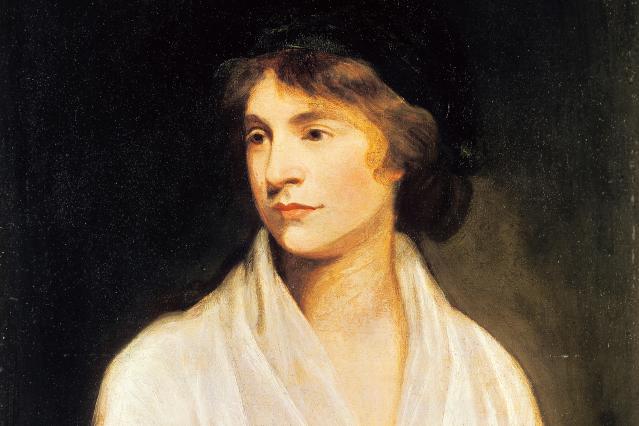
Are humans separate from “nature”? We tend to think they are, say ecofeminists and others, with devastating consequences for animals, for women, and for other groups associated with the nature side of the human/nature divide. Barbara Seeber examines what the British philosopher Mary Wollstonecraft wrote about how animals and women are viewed and treated. For … Continued