Against the Grain – March 6, 2017
A radio and web media project whose aim is to provide in-depth analysis and commentary on a variety of matters — political, economic, social and cultural — important to progressive and radical thinking and activism.
12:00 PM Pacific Time: Mondays - Wednesdays
Acclaimed program of ideas, in-depth analysis, and commentary on a variety of matters—political, economic, social, and cultural—important to progressive and radical thinking and activism. Against the Grain is produced and hosted by Sasha Lilley.
A radio and web media project whose aim is to provide in-depth analysis and commentary on a variety of matters — political, economic, social and cultural — important to progressive and radical thinking and activism.
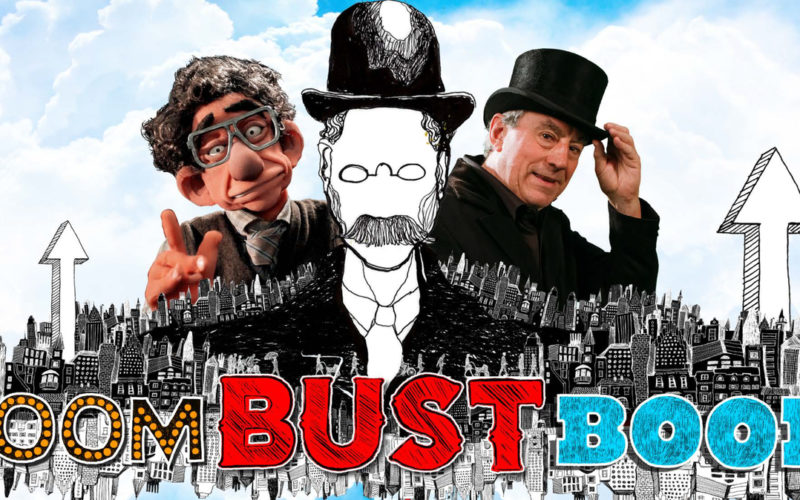
Why didn’t mainstream economists and the mainstream media see the last financial crash coming? And why are chances high that they won’t see the next? The film “Boom Bust Boom,” directed by Monty Python Terry Jones, answers those questions by looking at the history of speculative booms and busts.
Zen master and Nobel Peace Prize nominee Thich Nhat Hanh on how to generate and cultivate happiness, mindfulness, and compassion.
The ideas of long-dead economists fundamentally shape our lives, our societies, and how we understand the world and ourselves as individuals. And yet, despite that, the field of economics seems, at best, intimidating and, at worst, a mind-numbing description of something we have no control over. But the ideas of economists were formed in specific … Continued
Selections from Voices That Change the World, a comprehensive 1300-hour Pacifica Radio Archives audio compilation featuring hundreds of thinkers, critics, activists, writers, and performers.
While Trump was consolidating his power after his inauguration, some of the leading lights of the radical left gathered at a remarkable event in Washington D.C. It featured the likes of Naomi Klein, Owen Jones, Keeanga Yamahtta-Taylor, and Jeremy Scahill, who took stock of the moment and looked ahead. They emphasized the need for solidarity, … Continued
The overtly racist politics of Donald Trump has been called unprecedented — a break from the Republican Party’s past rules of engagement. But a look backward, particularly at the GOP’s Southern Strategy to woo white voters based on segregationist or racist appeals, indicates how inaccurate that assumption is. Edward H. Miller discusses the origins of … Continued
How are race and ethnicity represented in U.S. news coverage of health and medicine? Charles Briggs argues that whiteness tends to be portrayed as an aspirational state of well-being, while people of color are far too often depicted as deficient, as trapped by culture and thus to be blamed for their own health problems. Charles … Continued
In the aftermath of the shutdown of far right celebrity Milo Yiannapoulos at UC Berkeley, there’s been much debate among progressives and leftists about the use of militant tactics against the right. Some of the questions under contention are whether militant tactics bring down repression on the most vulnerable, and whether free speech—even for fascists—is … Continued
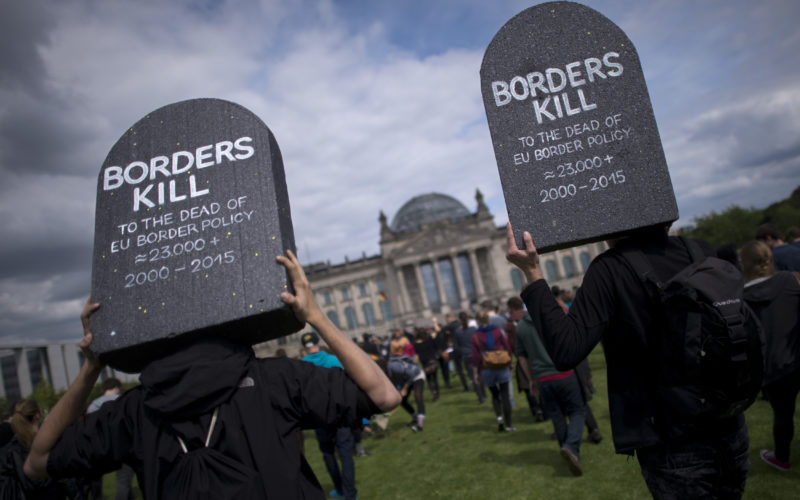
The Mediterranean has become a watery mass grave for thousands of migrants seeking entry into Europe. Maurice Stierl describes episodes of what he calls grief-activism: collective acts of grief and commemoration that simultaneously assert a radical critique of European border policy and militarization. He also discusses the current state of trans-Mediterranean migration. Maurice Stierl, “Contestations … Continued