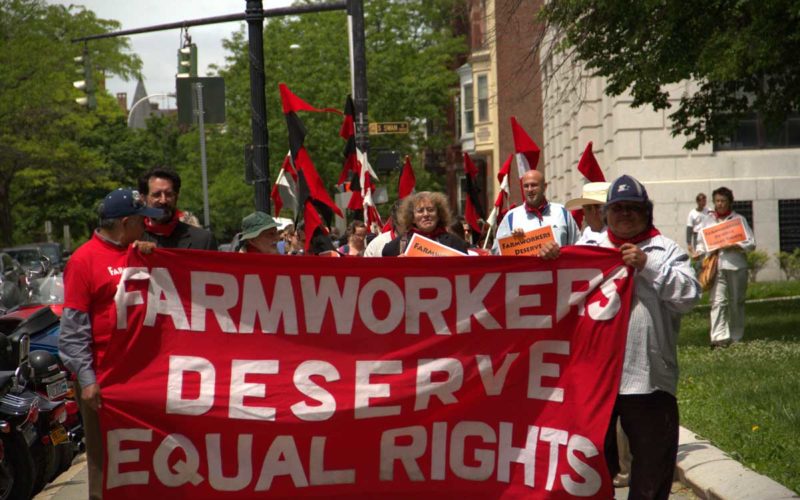
For Americans who are concerned about the ways that big agribusiness grows our food—whether it’s the pesticides in vegetables, the ecological impact of food being shipped around the country, or the tastelessness of much mass produced food—local food production on family farms seems like a holistic alternative. But, as political scientist Margaret Gray argues, there’s … Continued


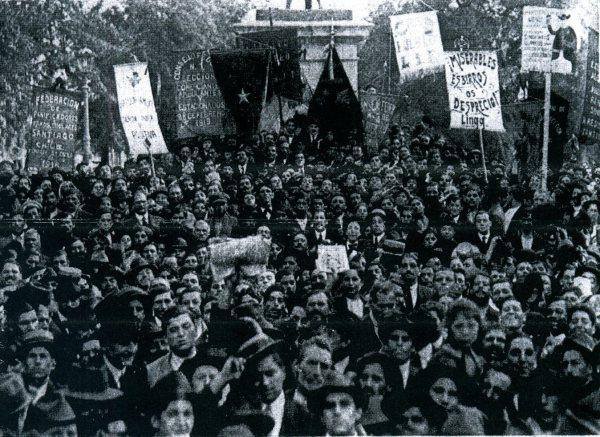
Santiago, the capital of Chile, was a hotbed of radical, non-sectarian organizing in the early 1920s, when a repressive backlash led to the death of poet José Domingo Gómez Rojas.  Historian Raymond Craib tells the story of anarchists and communists, students and workers, radicals and reactionaries, the pursuing and the pursued, whose politics echo down … Continued


Political decolonization was one of the signal events of the twentieth century, but according to Michael Denning, it was prefigured by the decolonization of the ear. The cultural historian discusses the moment in the late 1920s when insurgent sounds swept the globe, spurring resistance to empire, and shaping the place of music in our lives … Continued


If you’re like most Americans, you probably feel overworked and underpaid. Americans, on average, labor 300 hours more per year than their counterparts in Northern Europe. And even workers in Europe, with some notable exceptions, have not seen substantial reductions in their hours for decades, despite increasing labor productivity. So what’s going on? Sociologist Christoph … Continued


Against the Grain

The New Right’s Origins in the Labor Battles of the 1930s

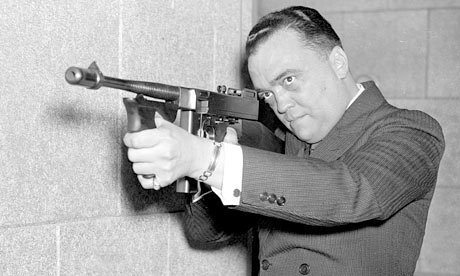
What are the origins of modern conservatism? The failed Goldwater campaign? Or the Cold War era discontent of midwestern small capitalists? Historian Kathryn Olmsted argues that it should be located even earlier, in the intense and massive labor unrest that took place in the fields of California in the 1930s. The response by growers and other elites pioneered … Continued