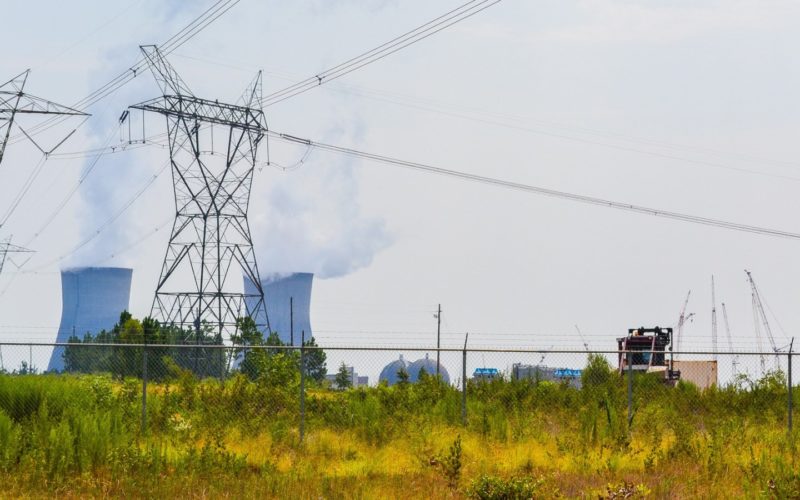
We think of public utilities operating for the public good — it’s right there in the name. But most public utilities are investor-owned and, like corporations as a whole in this country, have enormous power to dispossess poor people through government-backed mechanisms like eminent domain. Sociologist Loka Ashwood discusses how such dispossession, along with state-sanctioned … Continued

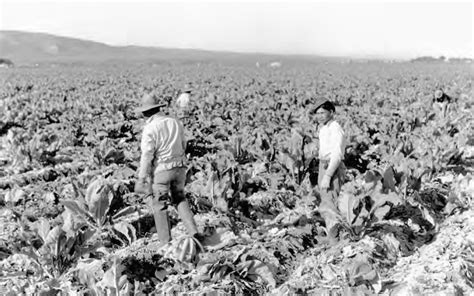
What are the origins of modern conservatism?  The failed Goldwater campaign?  Or the Cold War era discontent of midwestern small capitalists?  Historian Kathryn Olmstead argues that it should be located even earlier, in the intense and massive labor unrest that took place in the fields of California in the 1930s.  The response by growers and … Continued


Happiness seems elusive in our society, despite the many industries attempting to sell it through a multitude of products and services.  What’s missing, according to feminist Lynne Segal, is the sense that our happiness is intertwined with the happiness of others.  She calls for reclaiming radical joy, through collective life and activism. Resources: Lynn Segal, … Continued


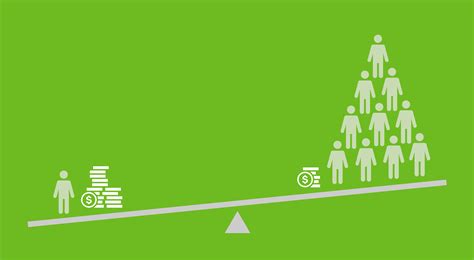
It’s self-evident that unequal societies like ours are bad for the poor. However, as epidemiologist Richard Wilkinson argues, they’re also bad for everyone else, including the affluent, not only because inequality affects schools and healthcare, but because it also makes us anxious and unhappy. Wilkinson reflects on our psychological well-being in wealthy but unequal countries. … Continued