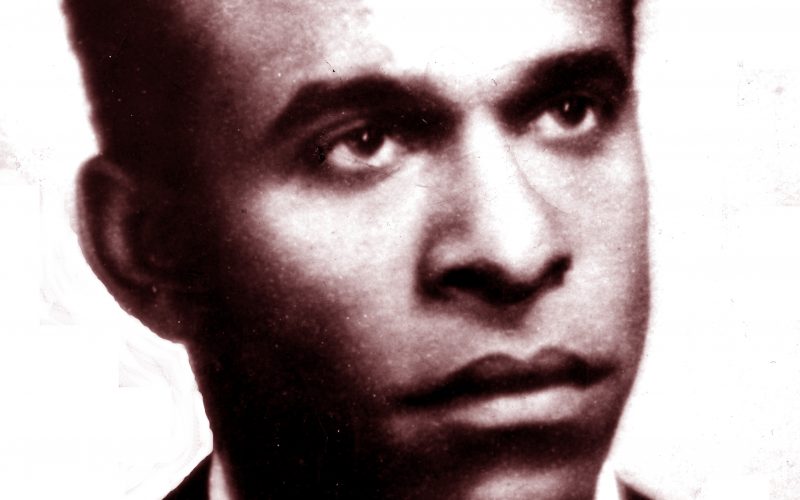
In his groundbreaking book The Wretched of the Earth, the Martinican thinker, psychiatrist, and revolutionary Frantz Fanon made a number of claims about how colonialism operates and why anticolonial violence is necessary. An Yountae describes and interprets a number of Fanon’s claims, highlighting the theological character of colonial governance and the distinctive brand of violence … Continued
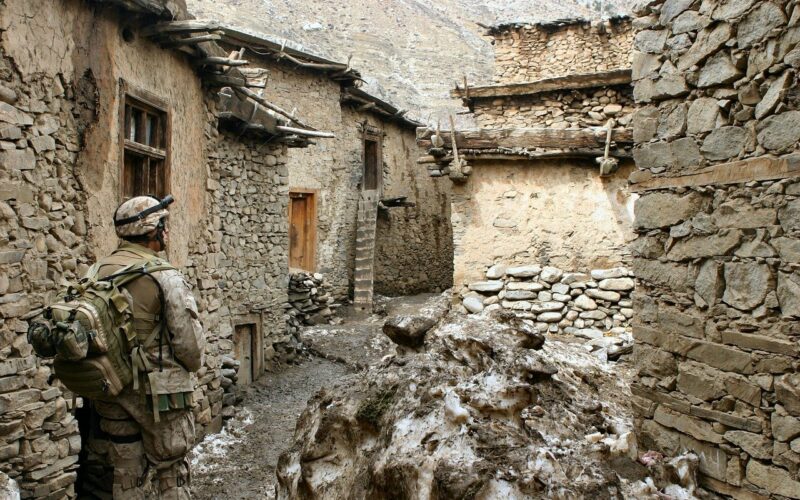
The longest and most expensive war in U.S. history is the ongoing war in Afghanistan. What impact has the nineteen-year-old conflict had on U.S. democracy? According to Benjamin Hopkins, the Afghanistan war has fundamentally damaged the social and political fabric of the U.S. Hopkins also describes what he calls frontier governmentality, the focus of his latest book. … Continued


Michael Staudenmaier uses the case study of a small binational (Chicanx/Puerto Rican) revolutionary group in the U.S. to examine the phenomenon of internal colonialism; the scapegoating of populations; competing theorizations of fascism; state repression in the Americas; neo-Nazi and Klan activity; and panethnic Latinx identity and solidarity. Michael Staudenmaier, “‘America’s Scapegoats’: Ideas of Fascism in … Continued


A special presentation featuring poetry readings and discussions by iconic poets, established ones, and up-and-comers. Archival recordings of Allen Ginsberg, June Jordan, Lawrence Ferlinghetti, and Jack Kerouac are part of the mix, as are suggestions for how to approach and enjoy poetry. Minal Hajratwala Mira Martin-Parker Craig Santos Perez Matthew Zapruder Pacifica Radio Archives (Photo by Goodshoped35110s.)


We’re often told that the conflict between the Israelis and the Palestinians rises out of a unique historical situation. But the dispossession of the Palestinians, rather than being exceptional, has strong echoes in other historical dispossessions. Gary Fields discusses the enclosure of the lands of the English peasantry, Native Americans, and the inhabitants of historic … Continued


According to Joseph Masco, the two key existential dangers of our time are climate disruption and nuclear weapons. The first, he maintains, is the product of petrochemical capitalism; around the second an elaborate, fear-based U.S. national security culture has been constructed. Masco contends that addressing these twin crises requires grasping their origins and pursuing fundamental … Continued