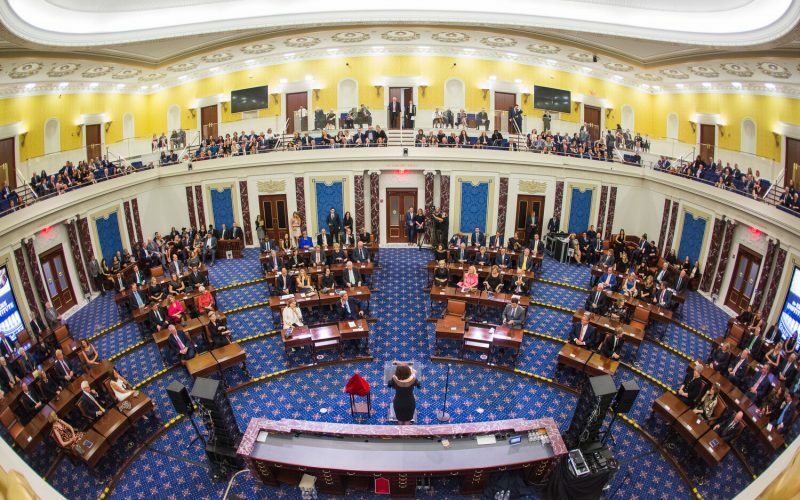
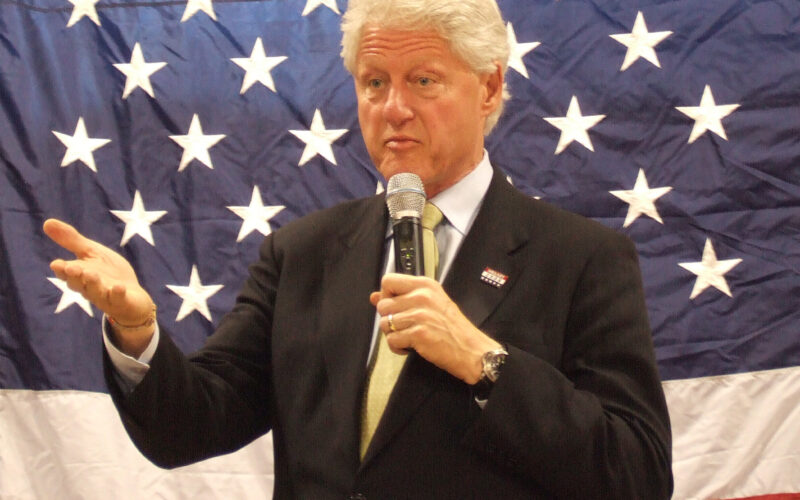
Historian Lily Geismer looks at how the the Democratic Leadership Council and Clinton-era Democratic Party increased inequality, through development zones, charter schools, welfare “reform”, and microfinance. Creative commons image
12:00 PM Pacific Time: Mondays - Wednesdays
Acclaimed program of ideas, in-depth analysis, and commentary on a variety of matters—political, economic, social, and cultural—important to progressive and radical thinking and activism. Against the Grain is produced and hosted by Sasha Lilley.
Historian Lily Geismer looks at how the the Democratic Leadership Council and Clinton-era Democratic Party increased inequality, through development zones, charter schools, welfare “reform”, and microfinance. Creative commons image
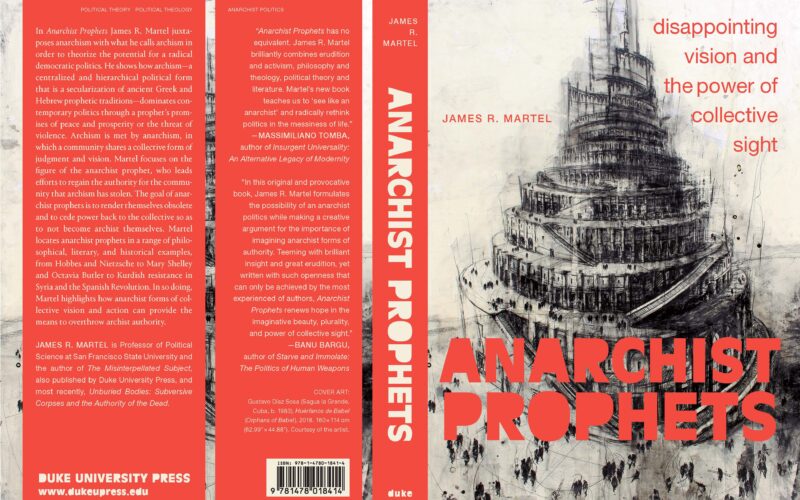
According to James Martel, what anarchism opposes is “archism,” a form of politics based on rule and hierarchy. He points to three instances in which anarchism – by which he means horizontalist and collective politics– took hold: the Spanish Revolution of the 1930s; the Rojavan Revolution in contemporary Syria; and a region of Papua New … Continued
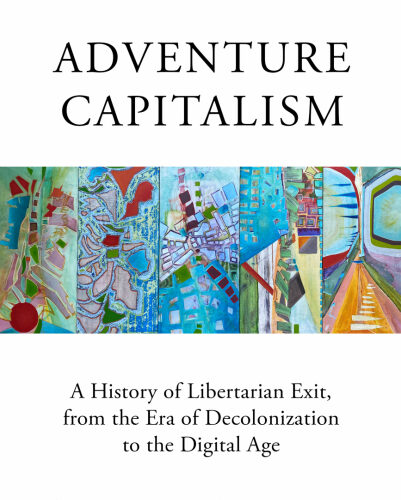
Utopias aren’t unique to the left. The right has labored in myriad ways for a world without fetters on private property. In one striking case, a character called Michael Oliver, with a motley group of associates ranging from English lords to soldiers of fortune, successively attempted to set up a capitalist paradise in the South … Continued
If emancipation is what we seek, what form should it take? How far can legal reforms and rights decrees take us toward a better world? Peter Burdon mines Marx’s “On the Jewish Question” essay for insights into how to think about emancipation and whether legal initiatives can deliver true freedom and equality. International Journal for the Semiotics … Continued
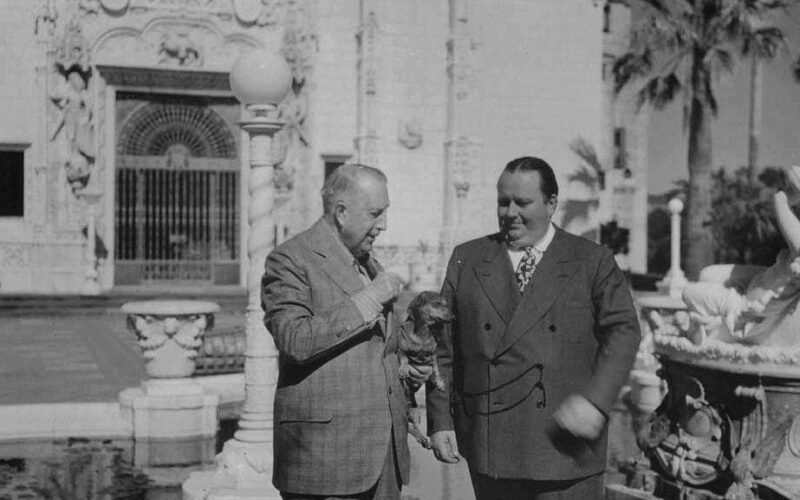
At a time when media ownership was held in a few hands, rightwing press barons combined celebrity coverage with xenophobic and nationalist politics, lauding authoritarian leaders and playing down the threat of fascism. In the lead up to World War Two, the likes of William Randolph Hearst and Robert McCormack in the U.S., and Lords … Continued
Sidewalks take us places, but they’re also places of their own, where all sorts of people come together and interact. Shannon Mattern, who has written about the history of the sidewalk, claims that we’re entering a new era of sidewalk planning, use, and politics, driven in large part by advances in communications, surveillance, and smart … Continued
The effects of climate change are here and serious. While it may seem like uncharted waters in the modern era, our ancestors in the 1600s faced a global climate crisis in a century wracked by wars, famines, and social unrest. Historian Geoffrey Parker discusses the lessons of the 17th century, where elites — with the … Continued
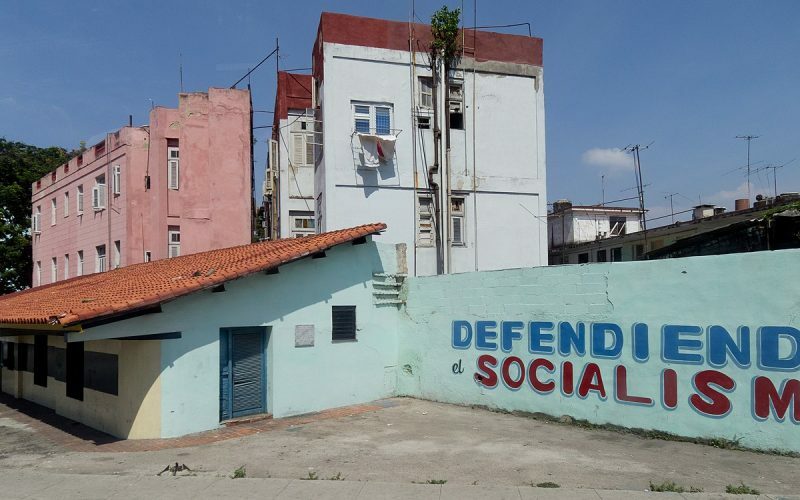
How does political ideology work in Cuba? What is ideology anyway? Katherine Gordy argues that socialist ideology in Cuba, far from constituting a static, abstract canon of beliefs, is practiced and produced by people at all levels of Cuban society. She also comments on Fidel Castro’s espousal of Marxism and on the role of nineteenth-century intellectuals … Continued
A hallmark of our age is feeling we’re perpetually struggling with time—not having enough of it to accomplish seemingly endless tasks and obligations, while swimming in a sea of distractions. Can we cope if we learn, following the gurus of time management, to become ever more disciplined and productive? Or does that just feed into … Continued
Renowned mycologist Paul Stamets talks about mushrooms, human health, bee populations, psychoactive fungi, and more. (Image by Alan Rockefeller.)