Fund Drive Special: Enduring Ideas
Peter Cave discusses his new book “How to Think Like a Philosopher: Scholars, Dreamers and Sages Who Can Teach Us How to Live.”
12:00 PM Pacific Time: Mondays - Wednesdays
Acclaimed program of ideas, in-depth analysis, and commentary on a variety of matters—political, economic, social, and cultural—important to progressive and radical thinking and activism. Against the Grain is produced and hosted by Sasha Lilley.
Peter Cave discusses his new book “How to Think Like a Philosopher: Scholars, Dreamers and Sages Who Can Teach Us How to Live.”
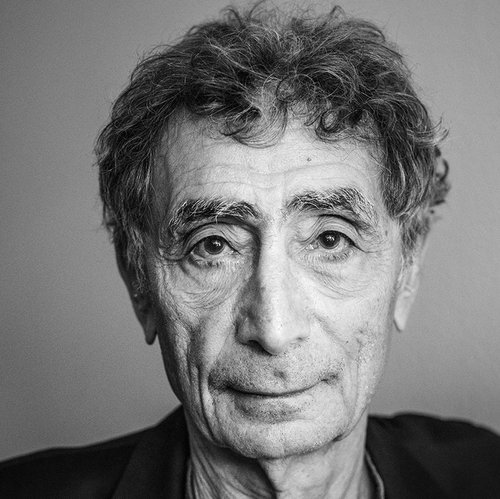
The acclaimed physician Gabor Maté believes that capitalist society damages us at an early age and that we carry that trauma through our lives—making us alienated, sick, and often prone to destructive behaviors. Maté draws from his remarkable background and radical commitments to provide us with tremendous insights into the maladies that are the norm … Continued
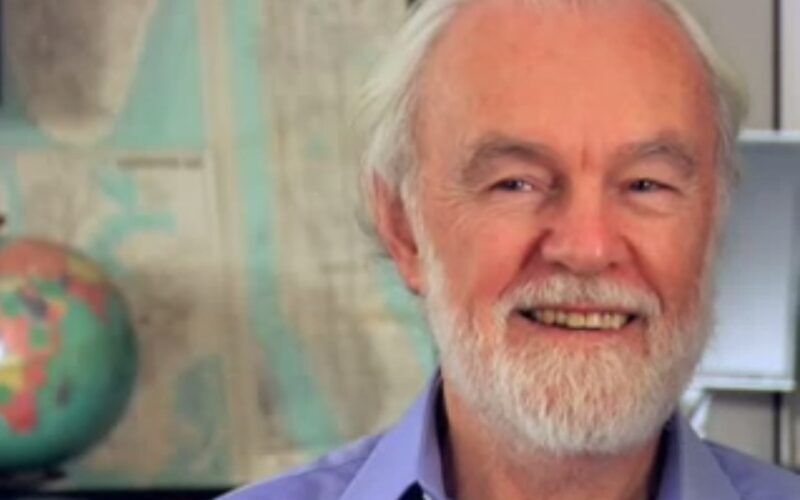
Groundbreaking theorist David Harvey considers Marx’s analytical framework and applies it to contemporary conditions.
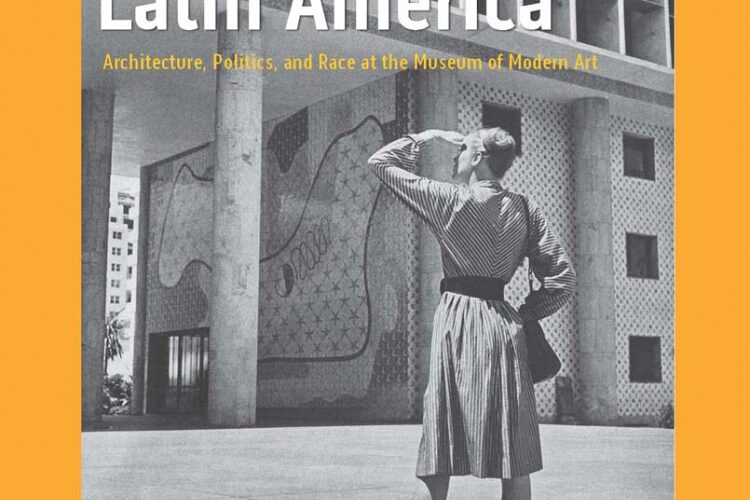
Modern art has always been a battleground — and the highly influential Museum of Modern Art has been partisan since its inception. Architectural historian Patricio Del Real discusses two differing political visions of modernism and modern architecture: one rooted in the left, and associated with figures such as Communist muralist Diego Rivera, and the other … Continued
Why is the aging of populations framed as a crisis? What settler-colonial and capitalist logics are at work, and how are older people viewed and treated as a result? Sandy Grande delineates and critiques mainstream frameworks; she also advances a decolonial perspective that draws on indigenous attitudes toward elders and toward old age-associated conditions like … Continued
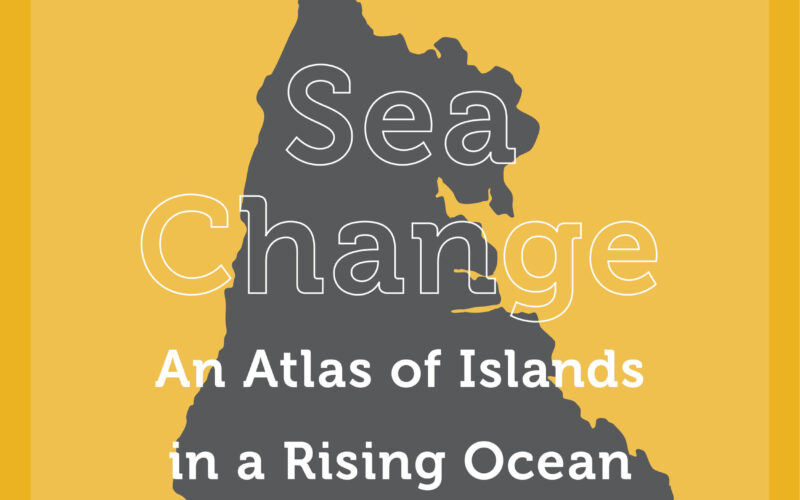
Island nations have produced the least carbon dioxide emissions, but are paying the greatest price for global warming as they face inundation and obliteration. Yet many in wealthy continental countries know little about them or their plight. Scholar and environmental journalist Christina Gerhardt discusses the circumstances of islands surrounded by a rising sea, many made … Continued
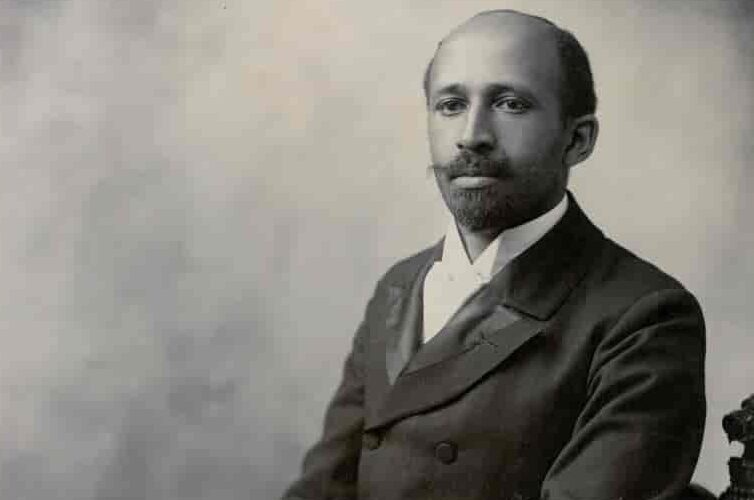
What stances did the renowned sociologist and historian W. E. B. Du Bois take toward race and class? And how and why did his convictions change over time? According to Michael Burawoy, Du Bois moved from a phenomenology of racism to a Black Marxism, a shift that culminated in Du Bois’s book on the Civil War … Continued
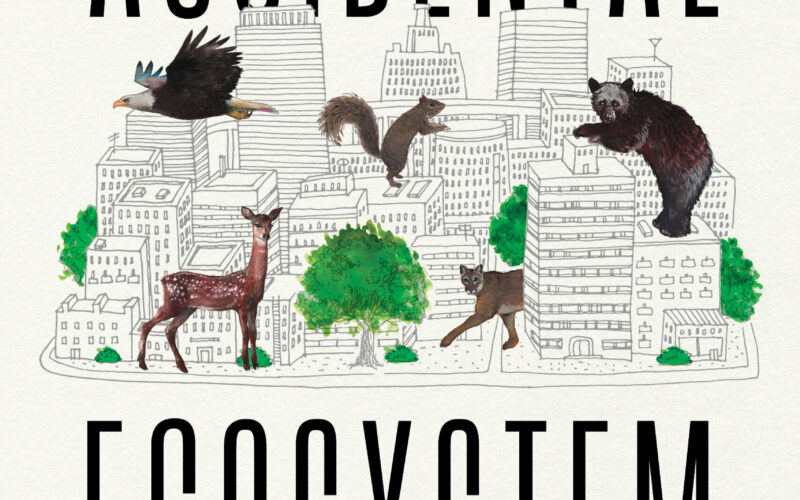
One of conservation’s greatest achievements happened mostly by accident and is still hiding in plain sight for most of us. When settlers established cities in the United States, they decimated the existing ecosystems. But in recent decades, as environmental historian Peter Alagona illustrates, there has been a remarkable return of wildlife to urban areas across … Continued
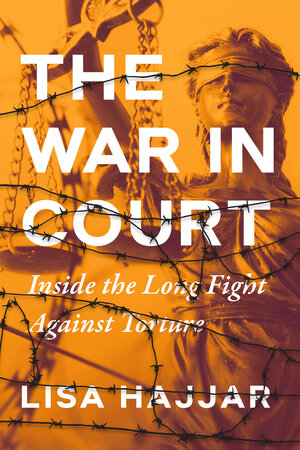
Following the attacks of September 11th, the administration of George W. Bush instituted the widespread use of coercive interrogations of detainees, as well as kidnapping, forced disappearance, and sham commission proceedings. Yet for the first several years of the “war on terror” little was known about what the U.S. state was doing to prisoners, until … Continued
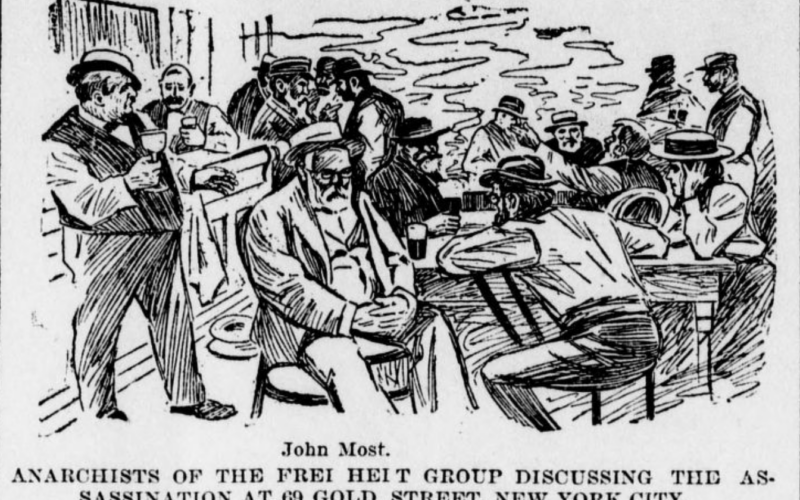
Perhaps best known for his advocacy of “propaganda by the deed,” Johann Most (1846-1906) was a committed socialist before turning toward anarchism. What spurred that shift? Why did Most advocate violence – and later abandon that position? Tom Goyens is writing a biography of the fiery orator and influential editor who immigrated to the U.S. … Continued