Fund Drive Special: Embodied Intelligence
Philip Shepherd on the importance of recovering “radical wholeness” and experiencing a new way of being.
12:00 PM Pacific Time: Mondays - Wednesdays
Acclaimed program of ideas, in-depth analysis, and commentary on a variety of matters—political, economic, social, and cultural—important to progressive and radical thinking and activism. Against the Grain is produced and hosted by Sasha Lilley.
Philip Shepherd on the importance of recovering “radical wholeness” and experiencing a new way of being.
Our food system, as well as our ecosystems, are clearly in crisis. Should we look to technological fixes and lab-grown meat to provide food for our future? Or, as writer Taras Grescoe argues, should we look backwards instead to the lost foods of our past? Grescoe argues that a sustainable future necessitates cultivating food and … Continued
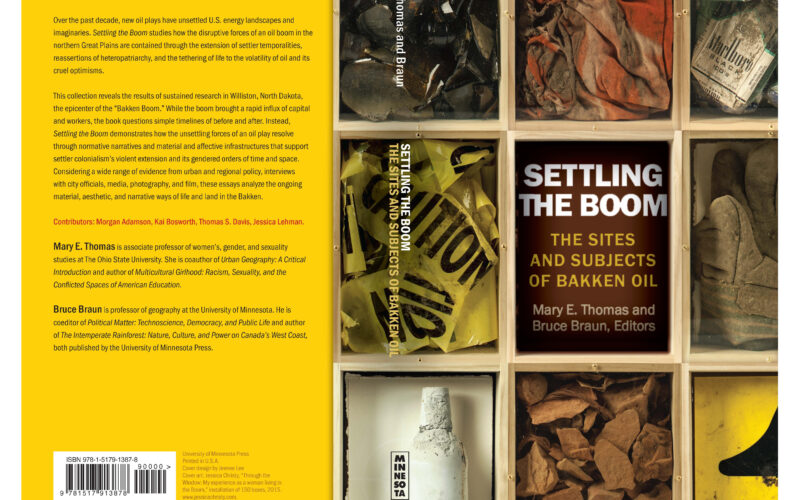
What accounts for worker injuries and fatalities in the Bakken oil fields of North Dakota? Should they be viewed as localized phenomena, or are larger socioeconomic processes at work? In his effort to explain oil-boom representations and calamities, Bruce Braun considers and extends Lauren Berlant’s analysis of worker precarity, “crisis ordinariness,” and “slow death.” Braun … Continued
Israeli universities are heralded in the West for their liberalism and diversity, but critics assert that they are a crucial part of Israel’s war making machine. Israeli Jewish academic Maya Wind argues that even before the formation of the state of Israel, universities played a key role in the project of Zionist state-building. She makes … Continued
Israeli universities are heralded in the West for their liberalism and diversity, but critics assert that they are a crucial part of Israel’s war making machine. Israeli Jewish academic Maya Wind argues that even before the formation of the state of Israel, universities played a key role in the project of Zionist state-building. She makes … Continued
What would it mean to have authentic dialogues around race and racism? How would one engage in a way that promotes transformation, not polarization? Roxy Manning reveals how nonviolent communication principles and practices can be used to interrupt racist conduct in ways that foster the creation of what Dr. King called Beloved Community. (Encore presentation.) Roxy … Continued
Americans as a population have an unusually large appetite for psychoactive drugs, whether legal or illegal. And American history has been marked by periodic moral panics over drug use and normalization or legalization, as we’re experiencing right now. Why is that? What is it about US society that makes drug use simultaneously so appealing and … Continued
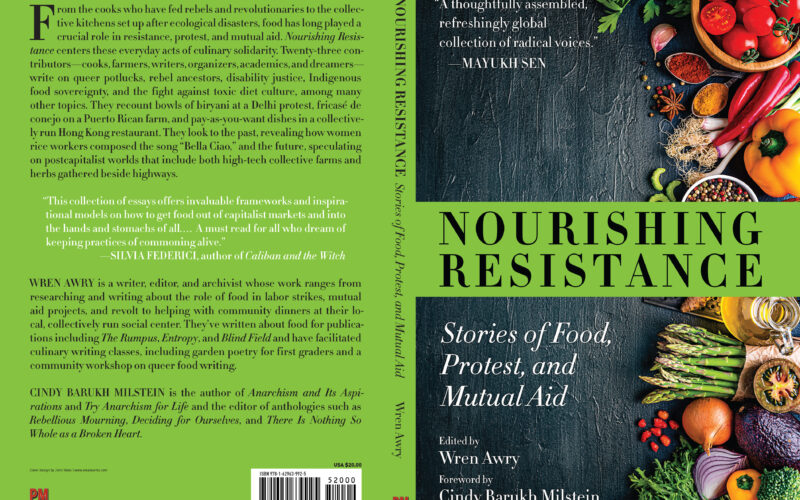
Reclaiming the commons sounds good in the abstract, but what’s being done on a practical level? Gaye Chan and Nandita Sharma, the Hawai‘i-based co-founders of Eating in Public, describe projects like Free Gardens and Free Stores. Also: Wren Awry discusses the volume to which Chan and Sharma contributed an essay. Eating in Public Wren Awry, … Continued
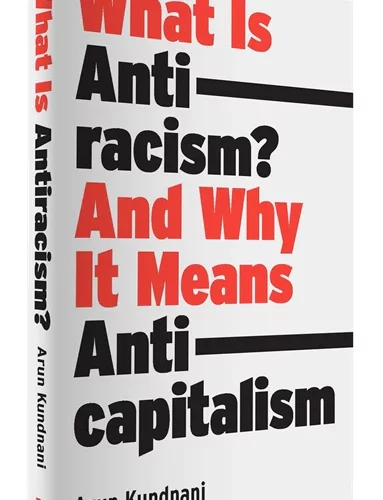
Following the mass George Floyd demonstrations, it appeared as if a racial reckoning was taking place in the United States, although of a puzzling nature. Amazon, Walmart, and other prominent corporations declared that Black Lives Mattered and dedicated funds to ostensibly address systemic racism. In cities across America, individuals denounced white silence and took on … Continued
Microwork involves the performing of short, discrete tasks on digital platforms, usually at the worker’s home and often after dark. Paul Apostolidis applies his analysis of nocturnal labor under capitalism, and its impact on worker’s lives, to microwork, for which people in many countries are paid miniscule wages. (Encore presentation.) James Muldoon and Paul Apostolidis, “‘Neither work nor leisure’: Motivations … Continued