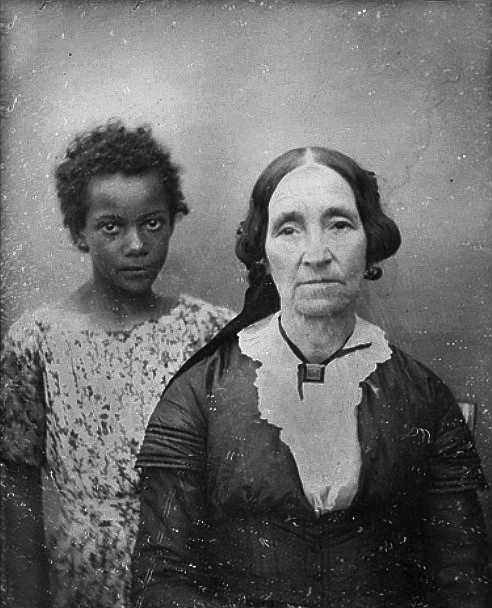

The documentary film The Lottery of Birth examines how people are socialized and conditioned to think and act in ways that perpetuate the status quo. Click here to make a doantion: support.kpfa.org

12:00 PM Pacific Time: Mondays - Wednesdays
Acclaimed program of ideas, in-depth analysis, and commentary on a variety of matters—political, economic, social, and cultural—important to progressive and radical thinking and activism. Against the Grain is produced and hosted by Sasha Lilley.
The documentary film The Lottery of Birth examines how people are socialized and conditioned to think and act in ways that perpetuate the status quo. Click here to make a doantion: support.kpfa.org
Francophone poet, playwright, intellectual, and politician, Aimé Césaire was a fierce critic of the colonial condition and a modernist trailblazer. Scholar Natalie Melas considers the politics and poetics of the Martiniquan writer, arguably the greatest poet of anticolonialism and decolonization. For more details and higher-quality audio, visit againstthegrain.org
Where does capitalism stand today? If the system is crisis-ridden and hasn’t delivered the goods to large sectors of the population, why aren’t we in a revolutionary moment? And what has happened to the neoliberal version of capitalism that first emerged in the 1970s? Albena Azmanova contends that we’ve entered a new stage of capitalism, one … Continued
From the shutdown of the WTO in Seattle to the Occupy movement, there’s a highly influential current that has shaped how contemporary politics are conceived and organized. Activist and scholar Chris Dixon has delved deeply into anti-authoritarian, anticapitalist, and non-sectarian politics – perhaps the leading orientation for young radicals today. He discusses its vibrancy, as … Continued
A. Philip Randolph famously led the Brotherhood of Sleeping Car Porters, but he did much more than that. Eric Arnesen traces Randolph’s emergence as a militant socialist at a time when few Blacks were attracted to the Socialist Party and its emphasis on class. Arnesen also discusses Randolph’s relationship with Eugene Debs and W. E. … Continued
For-profit colleges market themselves to veterans and low-income, often African American, students who ultimately find themselves with little to show for their efforts beyond mountains of debt. Contrary to their image, they are massively subsidized by US taxpayers, while turning a handsome profit for their shareholders. Political scientist Suzanne Mettler discusses the federal funding of … Continued
If innovation is the engine that drives capitalist enterprise, what role, if any, should universities play in feeding that engine? The creativity that Christopher Newfield seeks to nurture in students doesn’t match the kind coveted by neoliberal elites. He points to a number of disturbing trends in higher ed, and to differences in capitalist development between … Continued
You may be doing everything by the book, but will you have enough to retire on? If you’re like most Americans, the answer is no. Sociologist James Russell weighs in on how pensions like 401(k)s put all the risk on the individual — and siphon a large part of the rewards off for the financial … Continued
Food justice activists sometimes set up gardens in low-income communities. Margaret Ramírez studied a pair of food organizations in Seattle, including one led by Rev. Robert Jeffrey. Ramírez describes how the racial makeup of the staffers, the legacy of plantation slavery, and the gentrifying momentum created by “white spaces” affected what the two groups were able … Continued
While it may appear an inevitability, how did capitalism come to take hold in the US? Was slave production in the American South actually capitalist or something else? What was the nature of the Civil War and the emergence of sharecropping in the conflict’s wake? Marxist sociologist Charles Post weighs in on these questions, which … Continued