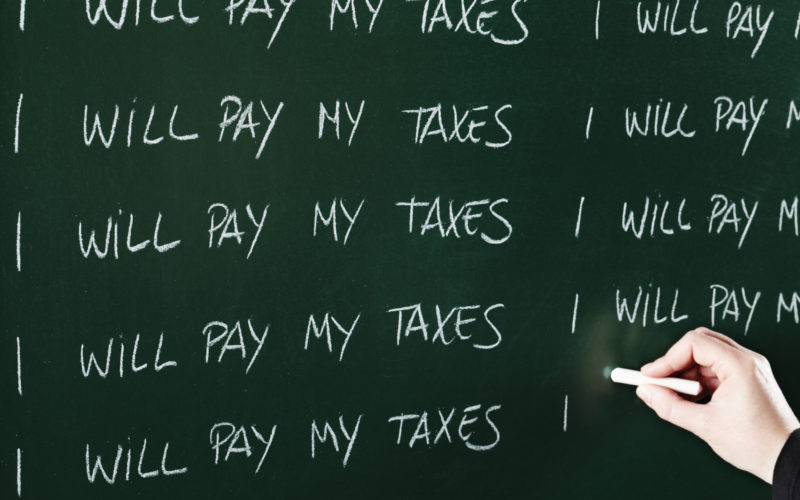
Americans don’t like to be taxed, we’re told — after all, who would willingly part with their hard earned money? But according to Vanessa Williamson that assumption is largely incorrect. She has studied attitudes toward paying taxes – and argues that our misperceptions have deleterious consequences, including discounting the contributions of low income people. She … Continued



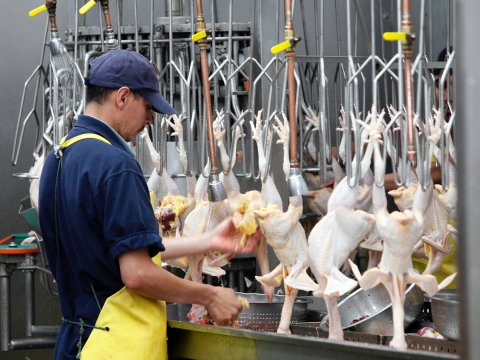
The so-called logistics revolution has changed the way capitalists operate. As corporations have embraced a model of lean, flexible, just-in-time production, they have made their operations more profitable and have disempowered workers all along the supply chain. But, as Jasper Bernes explains, these innovations have simultaneously heightened the vulnerability of retailers and other businesses to … Continued


Racial health disparities in the U.S. cry out for attention, but, according to Catherine Bliss, the root causes of such disparities are not being adequately investigated. Bliss contends that genetic science, although it has commandeered governmental efforts to address the racial health divide, is not committed to probing the social and structural factors that generate … Continued


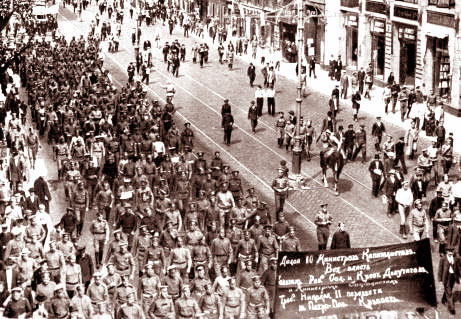
It was an epoch-making event, buoyed by hopes of human emancipation, that still shapes our notion of revolutionary change today.  The Russian Revolution, which took place a hundred years ago, was born out of war and poverty, and profoundly altered the course of the 20th century.  The writer China Miéville recreates those days of revolution, … Continued


Against the Grain

Frederick Douglass on Race and Democracy

Born a slave, Frederick Douglass became a leading figure in the abolitionist movement. Juliet Hooker recognizes Douglass as a democratic thinker, one who looked to Latin America for instruction and inspiration. Hooker discusses Douglass’s views toward African-American emigration, the contemplated U.S. annexation of Santo Domingo, and the Haitian Revolution. Juliet Hooker, Theorizing Race in the … Continued