
Dr. Martin Luther King, Jr. spoke about race, segregation, poverty, militarism, and nonviolent resistance in two talks that he gave in Hollywood, in March 1968, and in London, in December 1964. Pacifica Radio Archives

12:00 PM Pacific Time: Mondays - Wednesdays
Acclaimed program of ideas, in-depth analysis, and commentary on a variety of matters—political, economic, social, and cultural—important to progressive and radical thinking and activism. Against the Grain is produced and hosted by Sasha Lilley.
Dr. Martin Luther King, Jr. spoke about race, segregation, poverty, militarism, and nonviolent resistance in two talks that he gave in Hollywood, in March 1968, and in London, in December 1964. Pacifica Radio Archives
In what ways do media-propagated ideals of beauty affect women and girls? Whose interests do such ideals serve? Meeta Rani Jha draws from the ideas of second- and third-wave feminism in her examination of the beauty pageant phenomenon; hair-straightening and other appearance-changing practices; and antiracist challenges to the dominant white beauty standard. Also: Angela Davis … Continued
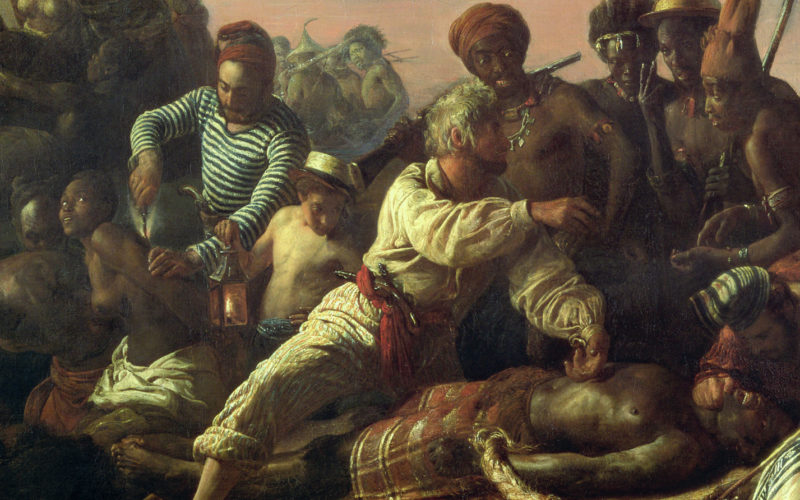
In 1805, a remarkable slave rebellion took place — not in the Atlantic, but in the Pacific, and involving an unusual ruse. And it illustrates, argues historian Greg Grandin, something fundamental about freedom and unfreedom in the New World. Grandin examines the historical event, immortalized by Herman Melville, in which insurgent slave leaders maintained a striking … Continued
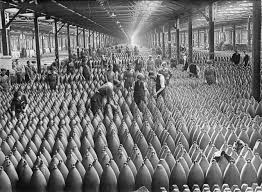
When workers have leverage, as they did in the U.S. during World War I, their prospects for extracting concessions from employers are enhanced. Robert Ovetz describes the wave of labor unrest that marked that period, as well as the Wilson administration’s efforts to pacify workers in order to keep the war economy going. He asserts … Continued
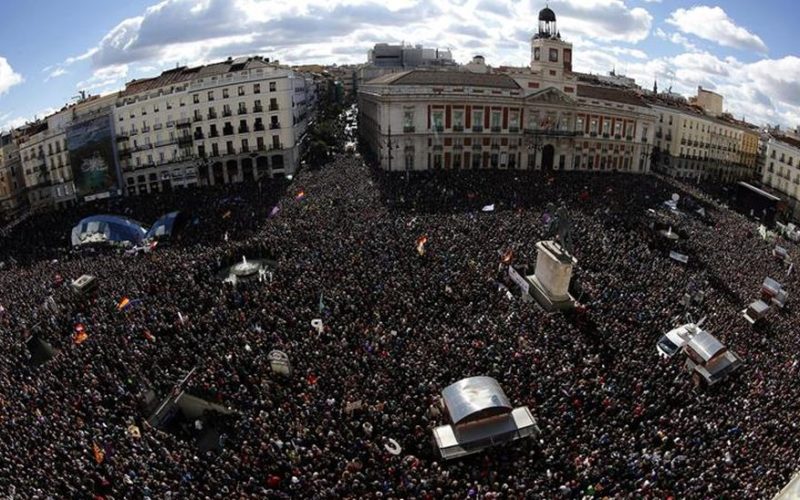
In the 2000s, various left-leaning governments swept to power in Latin America, known as the Pink Tide, raising the hopes of many around the world. But their successes were limited, and in places like Brazil, center-left governments have now been replaced by the hard right. Gianpaolo Baiocchi reflects on the crisis of the left in … Continued
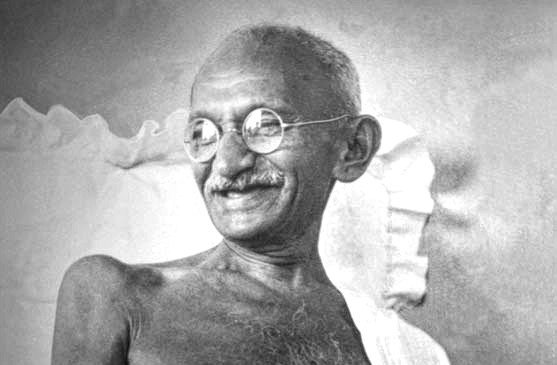
Manu Samnotra discusses the ideas of Mohandas Gandhi and, in particular, what Gandhi thought about truth and how to attain it; self-discipline and how to practice it; political independence and how to achieve it; and modern civilization and how to act in relation to it. Samnotra defines, and describes the interconnections among, satyagraha (civil disobedience), … Continued
We’re told that the police are imperfect, but if we make the right reforms, the bad apples will be weeded out and aggressive behavior no longer tolerated. But, as David Correia argues, what if the police are not reformable? (Encore presentation.) Resources: David Correia and Tyler Wall, Police: A Field Guide Verso, 2018
Highlights of some of the best commentary presented on Against the Grain in 2018, featuring Vijay Prashad on investment strikes; Priya Satia on the Industrial Revolution; Michael Hardt and Paul Christopher Gray on social-change strategies; Raka Ray on colonialism and gender; Victor Wallis on energy consumption; and Osagie Obasogie on race-specific medicine.
From at least the Haitian Revolution to the present, black and brown people in the Western Hemisphere have linked arms in solidarity with each other. Historian Paul Ortiz discusses how we can’t understand the United States and its past without looking beyond its borders. (Encore presentation.) Resources: Paul Ortiz, An African American and Latinx History … Continued
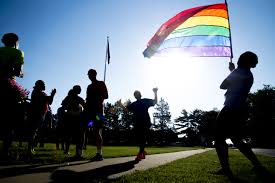
Beginning in the late 1980s, mass attitudes in the U.S. shifted dramatically toward greater tolerance of LGBTQ people and greater support of gay rights. What accounts for this rapid and sustained shift? Jeremiah Garretson examines a number of factors, including the AIDS crisis, grassroots activism, news coverage, fictional portrayals of gays and lesbians on TV, … Continued