Cover to Cover with Jennifer Stone – July 2, 2019
Culture critic Jennifer Stone’s commentary on social justice as reflected in film, television, theatre and mass media: the Zeitgeist watch.
Culture critic Jennifer Stone’s commentary on social justice as reflected in film, television, theatre and mass media: the Zeitgeist watch.
Nina Serrano and Jack Foley offering their service to the goddess, Poesia. William Blake: “To see a world in a grain of sand”; “Damn braces; Bless relaxes.” Tongue’s tales and cunning concatenations with KPFA’s interwoven pair.
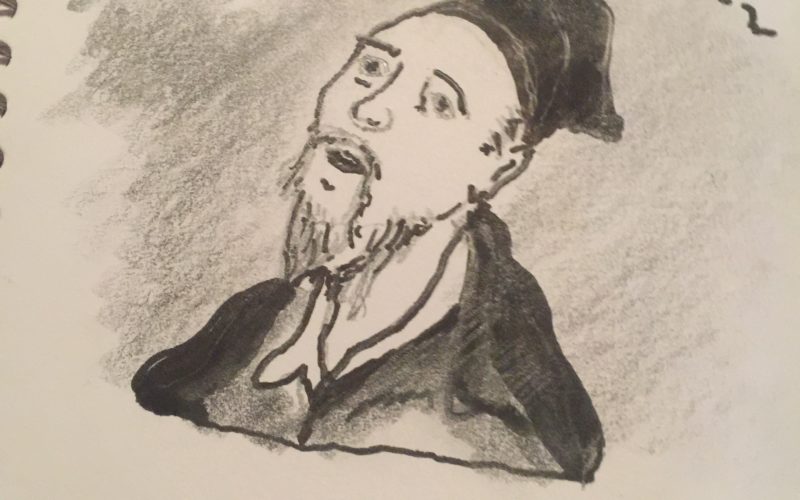
On January 23, KPFA presented an event at The Hillside Club in Berkeley. That event was a talk by the Chinese-American novelist, poet, and National Book Award winner, Ha Jin, who had recently published The Banished Immortal: A Life of Li Bai (Li Po). The event was hosted by Jack Foley. Today’s show is the second half of a presentation of excerpts from that event; the recording was done by Jane Heaven.
Culture critic Jennifer Stone’s commentary on social justice as reflected in film, television, theatre and mass media: the Zeitgeist watch.
Weekly interviews with poets, performance artists, film-makers, novelists and storytellers. Hosted by Nina Serrano the second Wednesday of the month; Jovelyn Richards the third & fifth Wednesday; and Reyna Cowan the fourth Wednesday.
A celebration of the art of poetry, hosted by jack Foley.
Culture critic Jennifer Stone’s commentary on social justice as reflected in film, television, theatre and mass media: the Zeitgeist watch.
Weekly interviews with poets, performance artists, film-makers, novelists and storytellers. Hosted by Nina Serrano the second Wednesday of the month; Jovelyn Richards the third & fifth Wednesday; and Reyna Cowan the fourth Wednesday.
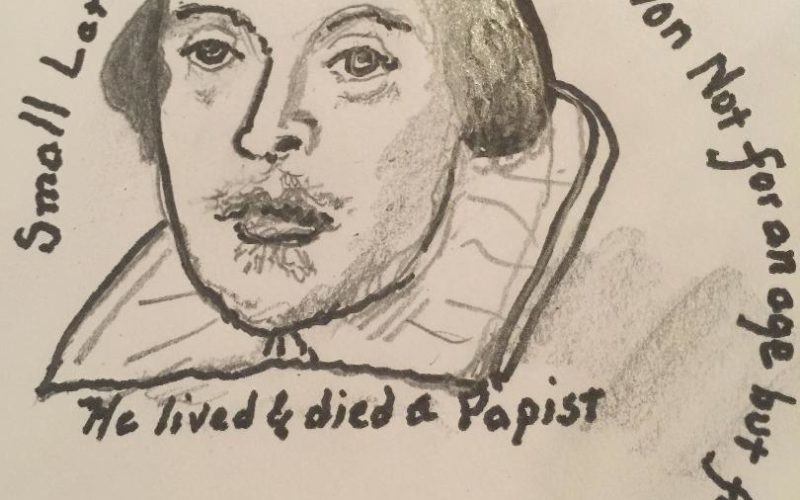
Today’s show speculates in various ways about William Shakespeare. At the end of the eighteenth and the beginning of the nineteenth century, in Germany, there lived a philosopher named Georg Wilhelm Friedrich Hegel (1770-1831). Hegel had something to say about William Shakespeare, who lived about two hundred years earlier, from 1564 to 1616, and whose birthday is celebrated as April 26. Hegel said that, in the portrayal of individual characters, Shakespeare stands “at an almost unapproachable height”; he made his creations “free artists of their own selves.” As such, Shakespeare’s characters are “real, directly living, extremely varied.” Hegel believed that Shakespeare was creating people—“real, directly living, extremely varied”—and that these people possessed the self-consciousness that is the hallmark of Hegel’s understanding: they were “free artists of their own selves.” Is this true of Shakespeare? Was Hegel correct in his analysis of Shakespeare’s characters? I don’t think so.
Culture critic Jennifer Stone’s commentary on social justice as reflected in film, television, theatre and mass media: the Zeitgeist watch.