CounterSpin provides a critical examination of the each week’s major news stories, and exposes what the mainstream media may have missed in their own coverage. Combines lively discussion and thoughtful critique. Produced by the national media watch group FAIR (Fairness and Accuracy In Reporting).
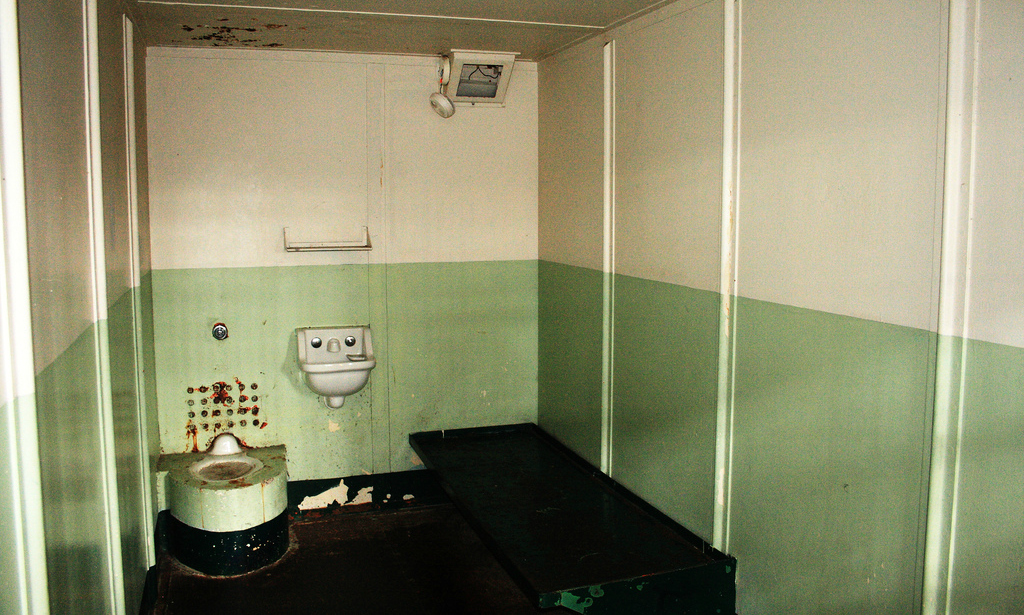
Solitary confinement is discussed so matter-of-factly in US media that you wouldn’t guess that many people in the world consider it to be torture. Plus: Despite ever-growing popularity, women’s sports just don’t seem to garner big-time media interest.
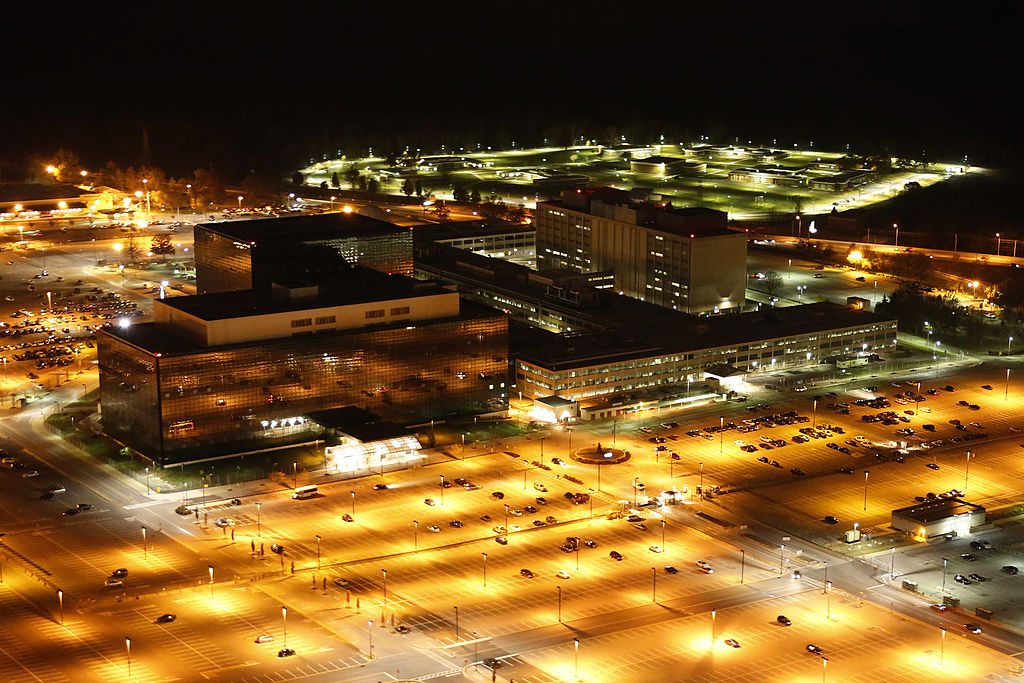
Proponents say the USA Freedom Act, while not perfect, at least means the end of NSA collection of US citizens’ phone records. Is that really true? Also: What’s being done to prevent disasters like the 2013 Rana Plaza garment factory collapses?This week on CounterSpin: Proponents say the USA Freedom Act, while not perfect, at least means the end of NSA collection of US citizens’ phone records. Is that really true? Could the law’s shortcomings outweigh its merits? We’ll hear from Sue Udry, executive director of the Defending Dissent Foundation and acting director of the Bill of Rights Defense Committee.
Are media dangerously indifferent to questions of criminal banks? Plus: whistleblowers on the front line of the conflict between powerful institutions’ desire to keep secrets and democracy’s requirement that people be well-informed.
As some US media re-engage the drone debate, the discussion is over how and where drones should be used—not whether they should be. Plus: Honduran indigenous rights leader Berta Caceres and the group COPINH are fighting not just governments but some of the world’s most powerful corporations to protect their land and livelihood.
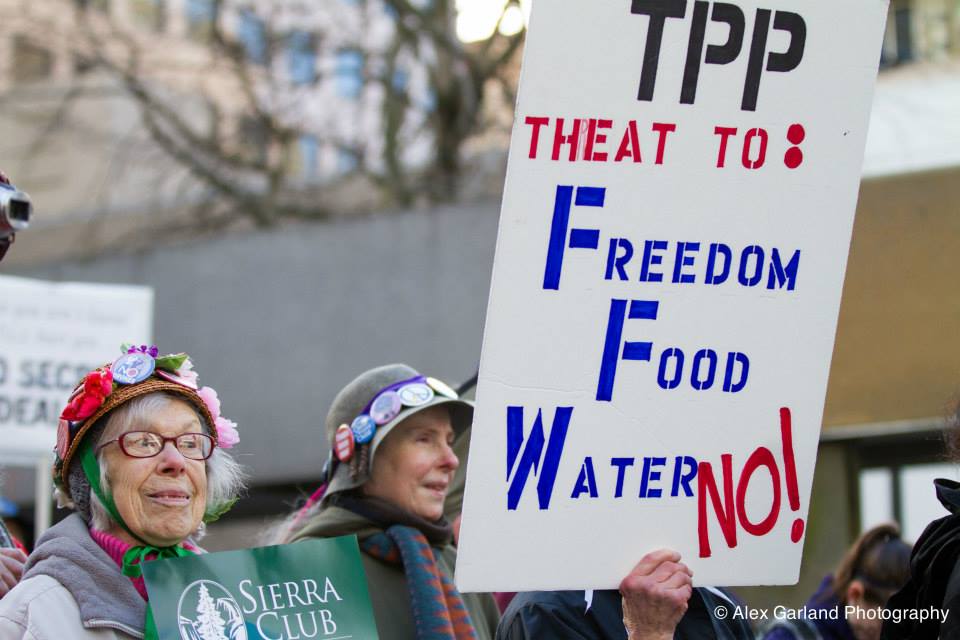
More useful than corporate media’s “battling soundbites” approach to covering TPP would be journalism that got outside the Beltway and talked to people about what the fallout from these corporate-centered international agreements really looks like.
After horrific attacks in Kenya and Somalia by the Somalia-based Al Shabab, what needs to happen in Somalia and elsewhere to help that country move forward? And will those who committed atrocities under cover of war at Abu Ghraib face justice?
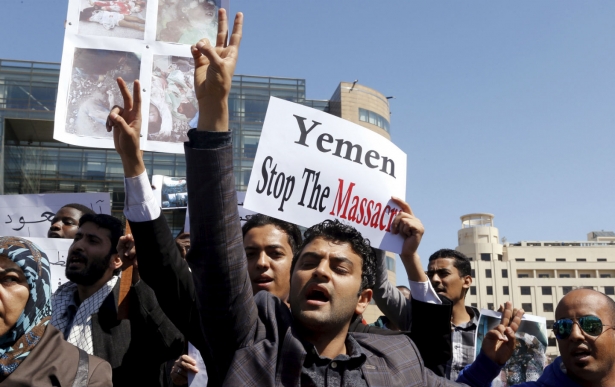
What should we look for in media coverage of the current Saudi-led military intervention in Yemen? Plus: When pushing for an alternative to “indiscriminate” data collection by the NSA, we should bear in mind who usually gets “targeted.”
How can media cover the backlash against the so-called Religious Freedom Restoration Act just passed in Indiana without resorting to “some say, others differ”? Plus: The Hollywood press argues that white actors are now being discriminated against.
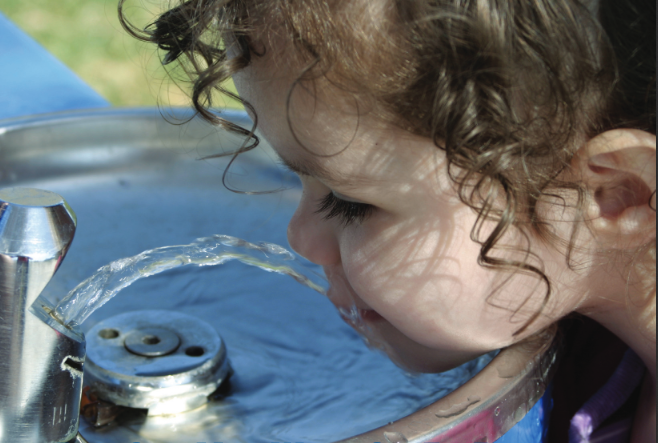
This week on CounterSpin: March 22 was World Water Day, meant to call attention to the crisis in world water supply and sanitation that makes lack of access to clean water far and away the leading cause of death for children under 5. Headlines about “taking shorter showers” suggest mainstream media didn’t dive that deeply … Continued
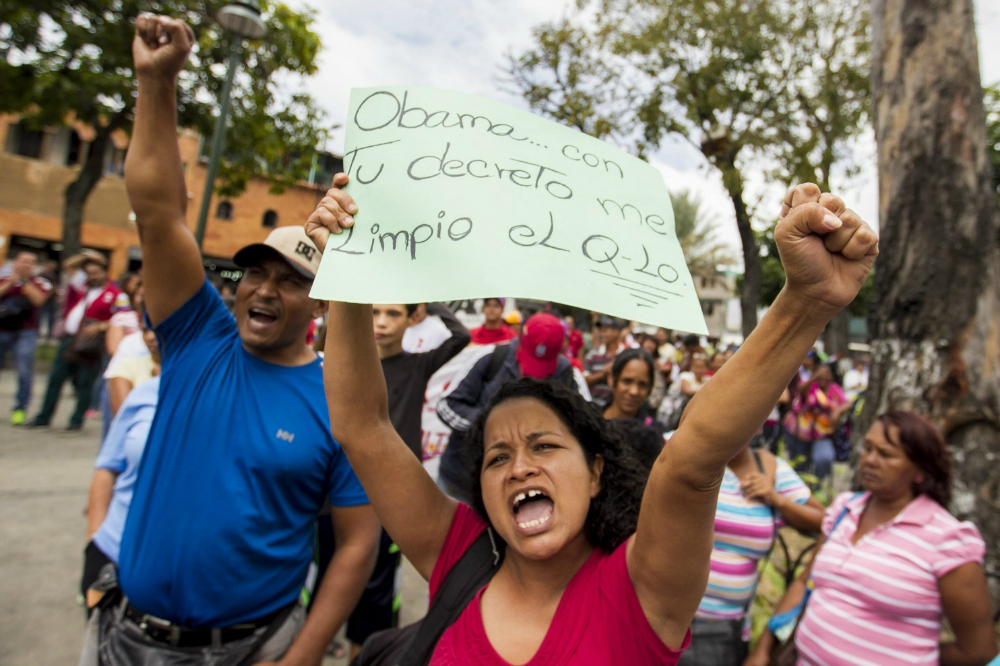
Is Venezuela really a threat to the security of the United States, as the White House has declared? And after years of activism, are we about to see an end to one of the most damaging aspects of the coal industry–mountaintop removal?