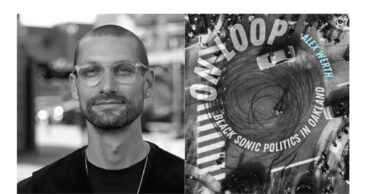

Davey D talks with writer and geographer Alex Werth about his new book On Loop: Black Sonic Politics in Oakland and how sound, race, and power collide in the town’s history. Werth explains that although he was trained by anthropologists, his grounding in geography helps him track how Oakland as a place has been made and remade through Black migration, music, and struggle. They open with Lake Merritt and the drum circles, digging into how increased patrols, ticketing, and “no cruising” zones function as coded ways to tell Black Oaklanders they are not welcome, even while officials claim the issue is noise or public order.
From there, Werth walks through the longer arc starting with the Second Great Migration, when Black Southerners brought blues and other rural sounds to West Oakland. Those sounds sparked moral panic among white residents and segments of the Black middle class, feeding nuisance laws and heavy regulation of Black nightlife along Seventh Street. Davey notes how the rhetoric from the nineteen forties and fifties sounds almost identical to current complaints about sideshows, scraper bikes, and drum circles. Werth frames this as history on loop: the repetition of anti Black policing alongside the equally persistent creativity and resilience of Black Oaklanders, from funk and Boogaloo to hip hop.
They spend a big chunk on the war on nuisance, broken windows policing, and the role of Oakland Police Department under Black political leadership in the post civil rights era. Werth shows how vague, race neutral language about “nuisance” lets the city target Black spaces like cruising zones without saying race out loud. The conversation then zeroes in on clubs, especially Geoffrey’s Inner Circle and Sweet Jimmy’s, as case studies of how Black owned venues were over policed, buried in fees, and squeezed through a special events permit regime that in practice focused on rap and Black crowds. Meanwhile the city markets Oakland as the home of jazz, funk, and now Tupac, profiting from Black culture it once criminalized. Werth closes by saying he wants readers to tune their ears to how sound itself is political, and to see that Black music and Black freedom struggles in Oakland are inseparable.