
Marshall Rosenberg lays out some of the basics of Nonviolent Communication, the method he developed for connecting compassionately with others. (Photo by Noah Buscher via Unsplash)
12:00 PM Pacific Time: Mondays - Wednesdays
Acclaimed program of ideas, in-depth analysis, and commentary on a variety of matters—political, economic, social, and cultural—important to progressive and radical thinking and activism. Against the Grain is produced and hosted by Sasha Lilley.
Marshall Rosenberg lays out some of the basics of Nonviolent Communication, the method he developed for connecting compassionately with others. (Photo by Noah Buscher via Unsplash)
Great powers rise and fall. But when their power wanes, as Britain’s did in the early 20th century and the U.S. is arguably waning now, who shoulders the costs of their decline? Is it elites or those on the bottom? Sociologist Richard Lachmann discusses what the past can tell us about the future of empires … Continued
A radio and web media project whose aim is to provide in-depth analysis and commentary on a variety of matters — political, economic, social and cultural — important to progressive and radical thinking and activism.
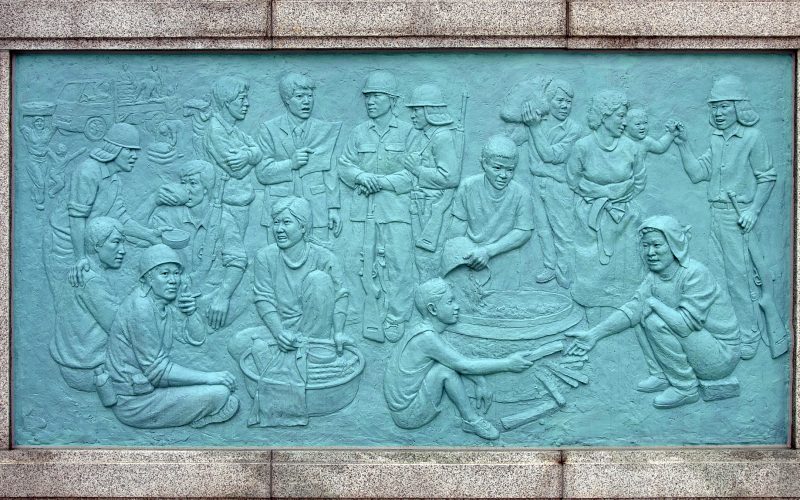
It’s been likened to the Paris Commune, but took place a mere forty-one years ago. In 1980, the people of Gwangju, South Korea, rose up against dictatorship, and for some precious days the liberated city governed itself from below through mass assemblies. George Katsiaficas discusses the history of repression and rebellion in Korea and the … Continued
Two prominent currents within ecosocialism are ecomodernism and degrowth. In this full-length interview, David Ravensbergen describes and assesses the ecomodernist and degrowth positions; he also weighs in on “doomer politics” and the Green New Deal. Robert Latham, A. T. Kingsmith, Julian von Bargen, and Niko Block, eds., Challenging the Right, Augmenting the Left: Recasting Leftist … Continued
The Old Left, we’re told, was narrowly focused on issues of class to the detriment of other struggles, such as those of queer people. But Aaron Lecklider argues that there has long been an affinity between political and sexual dissidents. He suggests that McCarthyism and the Cold War obscured history that was an open secret … Continued
What happens when missionaries try to get indigenous people to read and write English? Sometimes what results is very different than what the missionaries intended. Laura Rademaker describes how members of an aboriginal community in Australia resisted and repurposed English literacies. Tony Ballantine, Lachy Paterson and Angela Wanhalla, eds., Indigenous Textual Cultures: Reading and Writing … Continued
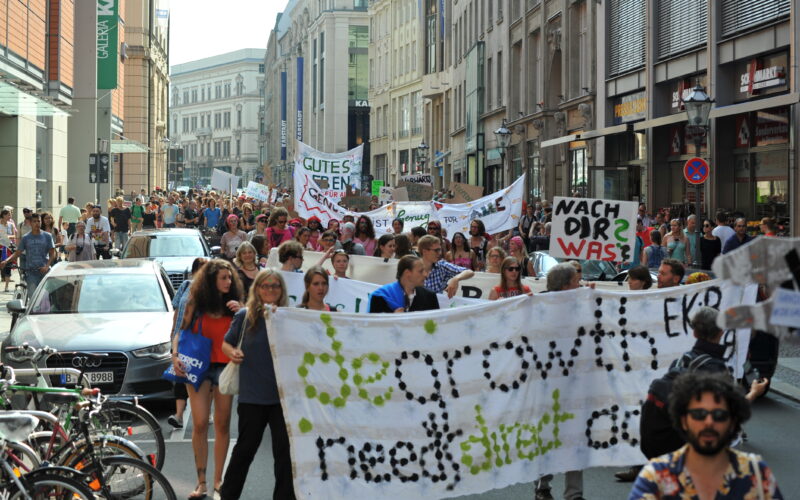
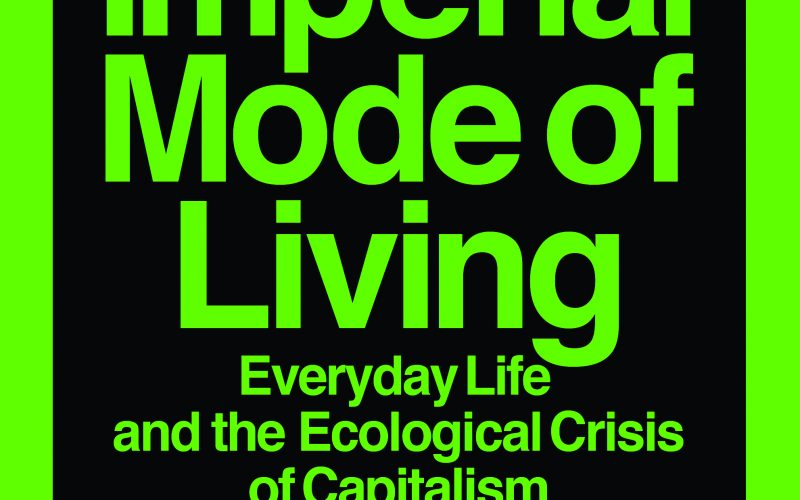
How should we understand the ecological crisis accelerating around us? In a book that has sparked debate on the European left, Ulrich Brand and Markus Wissen trace the origins of the Western mode of production and living, which is now spreading around the world. They connect such resource and emissions-intensive consumption to the political instability … Continued
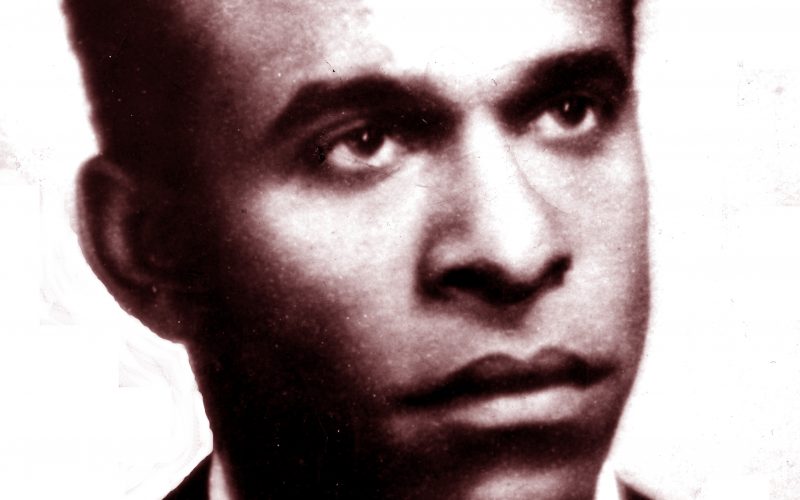
In his groundbreaking book The Wretched of the Earth, the Martinican thinker, psychiatrist, and revolutionary Frantz Fanon made a number of claims about how colonialism operates and why anticolonial violence is necessary. An Yountae describes and interprets a number of Fanon’s claims, highlighting the theological character of colonial governance and the distinctive brand of violence … Continued
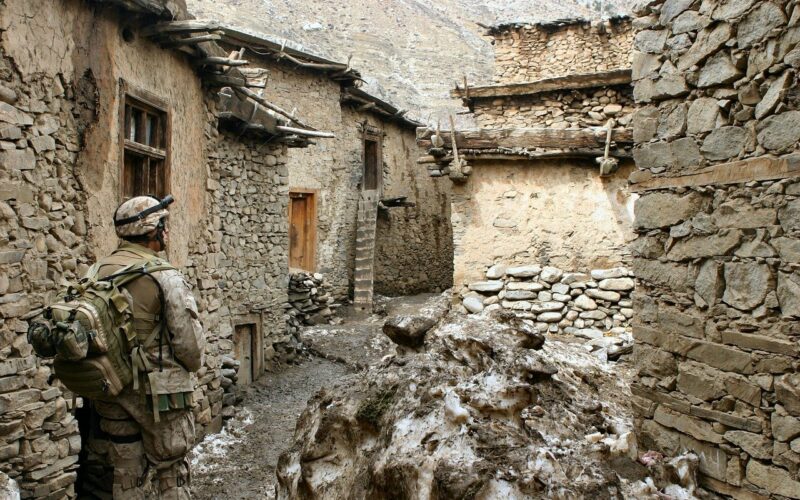
The longest and most expensive war in U.S. history is the ongoing war in Afghanistan. What impact has the nineteen-year-old conflict had on U.S. democracy? According to Benjamin Hopkins, the Afghanistan war has fundamentally damaged the social and political fabric of the U.S. Hopkins also describes what he calls frontier governmentality, the focus of his latest book. … Continued